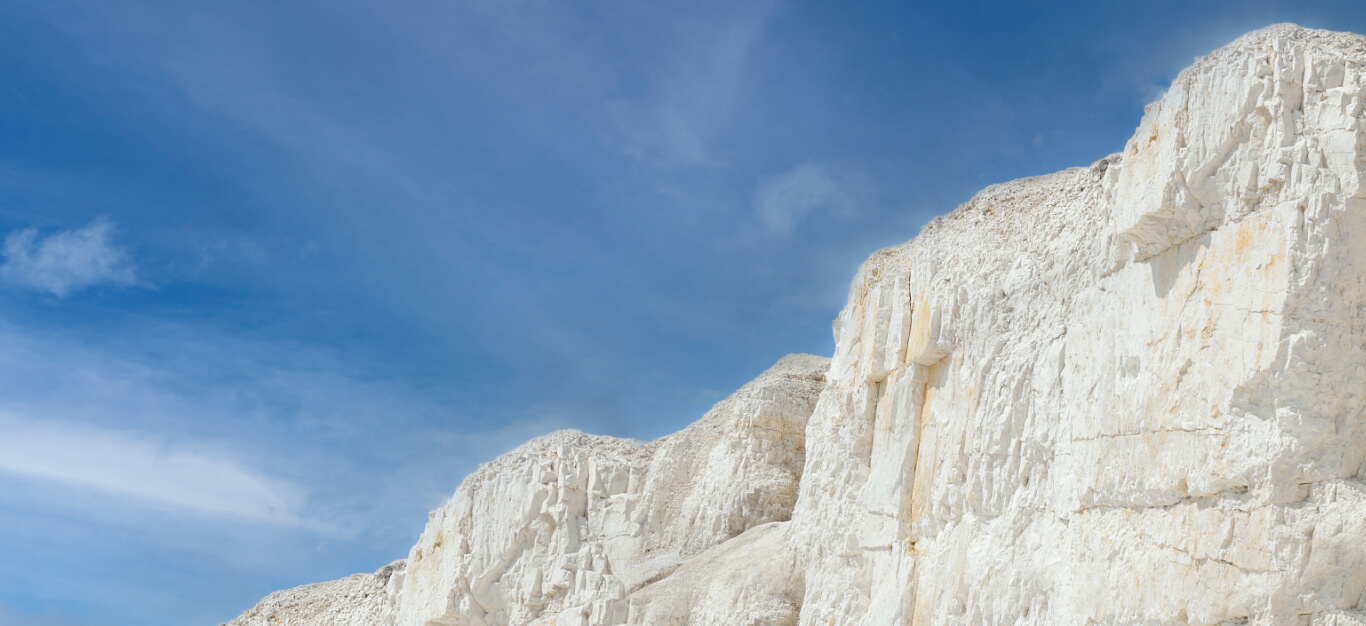
Calcium carbonate (CaCO₃) is the first and most prevalent mineral in the world and can be found in relatively large quantities as limestone, marble, and chalk. Its Mohs hardness is ~3, making it the softest and most easily used of fillers.
Because of its high whiteness, chemical inertness, ease of dispersion and low cost, calcium carbonate is essential for the integrity of paint formulations and production economics in paints and allied industries.

Paints & Coatings: Emulsions, primers, decorative paints and wall putties (high loading capacity).
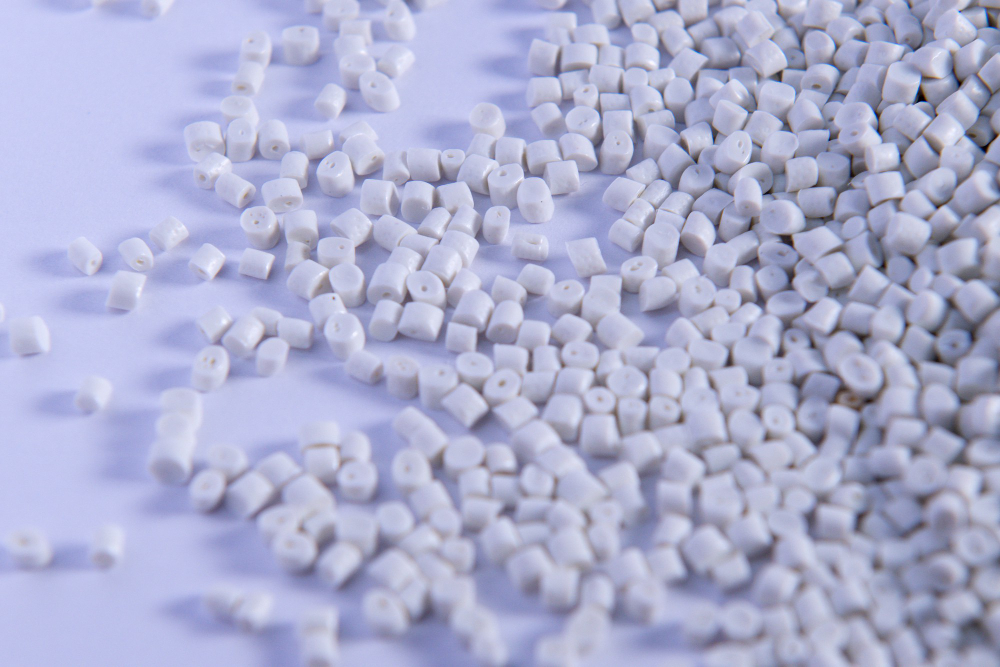
Plastics & PVC: Enhances stiffness, dimensional stability, and processability.

Paper: Improves hiding power, slip and printability; may be used to modify or replace TiO₂.
.jpg)
Adhesives & Sealants: An economical filler to enhance bulk and mechanical properties.
.jpg)
Rubber & Construction: Employed in rubber articles, sealants, caulks and cement-based systems.

AGRICULTURE & PHARMACEUTICALS (Special Grades): Bp/mp 839/903℃; Calcium supplement and antacid preparation (high purity grades).
Our calcium carbonate is extracted from some of the finest deposits in the world and processed with advanced grinding and surface treatment technologies. Our products provide reliable quality, consistency of performance and technical support to assist customers in achieving the appropriate balance between cost, quality and durability.
Q: Why is calcium carbonate used in paints?
A: It provides whitening, opacity, rheology control, and mechanical strength while significantly reducing formulation costs.
Q: What forms are available?
A: Both natural (GCC) and synthetic (PCC) calcium carbonate are available, depending on performance needs.
Q: Is calcium carbonate suitable for outdoor coatings?
A: It is commonly used in exterior paints where cost and opacity are priorities, though high-end exteriors rely more heavily on TiO₂ for weather resistance.
Q: How does it compare with dolomite?
A: Dolomite (CaMg(CO₃)₂) generally offers higher hardness (Mohs 3.5–4), better scrub resistance, and improved weathering performance compared to calcium carbonate (Mohs ~3). From a cost perspective, dolomite is typically more economical than CaCO₃, making it attractive for high-volume decorative paints, primers, and putties. Calcium carbonate, however, is preferred when higher whiteness, smoother surface finish, and better dispersion control are required, especially in premium coatings and paper applications.
Let's get in touch and explore business opportunities
Connect With Us