
Diatomaceous Earth (DE) is a naturally occurring, soft, siliceous sedimentary mineral formed from the fossilized remains of microscopic aquatic organisms known as diatoms. These organisms possess silica-based cell walls, which accumulate over millions of years to form deposits rich in amorphous silica (SiO₂).
DE is characterized by its highly porous microstructure, extremely low density, and large internal surface area. This unique morphology enables outstanding filtration efficiency, adsorption capacity, and thermal insulation performance. Chemically inert and thermally stable, diatomaceous earth functions as a natural filter aid, absorbent, and lightweight filler across a wide range of industries.Unlike synthetic silica, DE offers naturally occurring pore networks, providing efficient permeability and adsorption without complex surface modification.
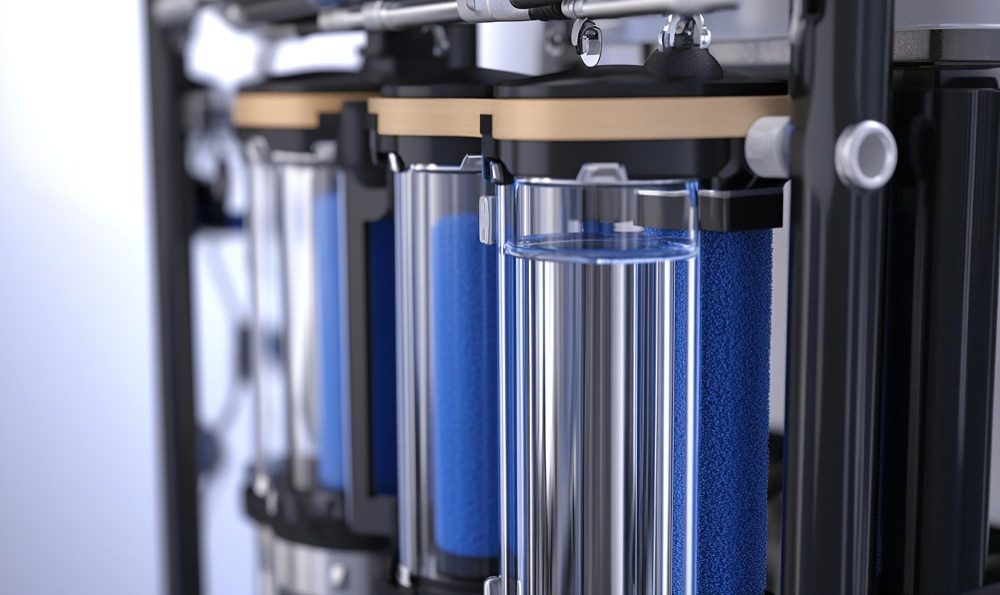
Filtration: Diatomaceous earth is extensively used in beer, wine, edible oil, syrup, and water filtration. It forms a porous filter cake that captures extremely fine particles while maintaining high flow rates and clarity.
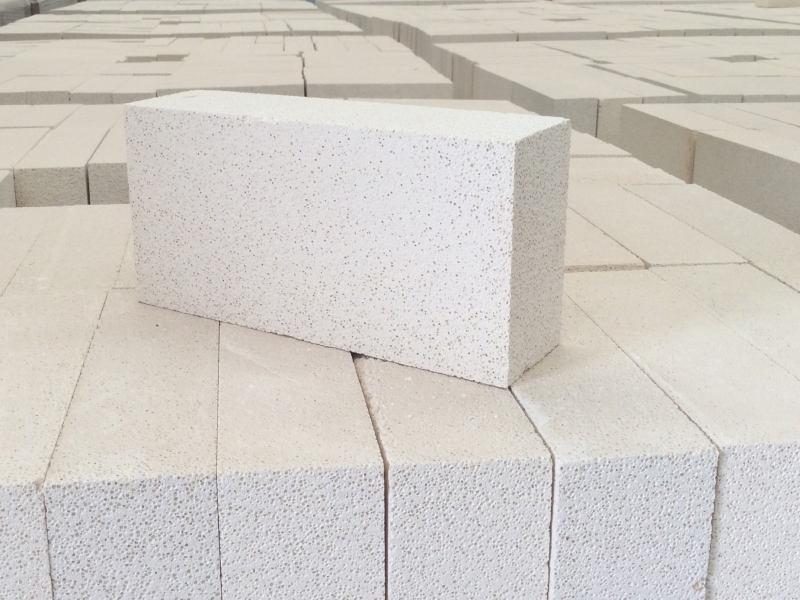
Thermal Insulation: Calcined and heat-treated DE grades are incorporated into lightweight insulation bricks, panels, and high-temperature insulating compounds, where low thermal conductivity and dimensional stability are required.
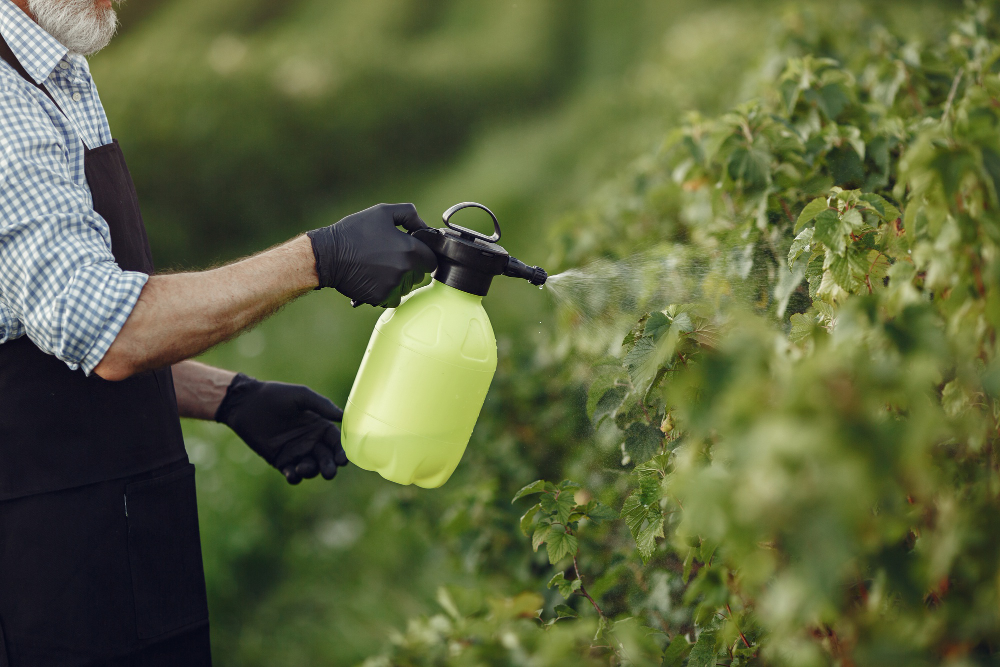
Agriculture: Natural DE is used as an inert insect control agent, soil conditioner, and anti-caking additive in animal feed, supporting moisture management and storage stability.
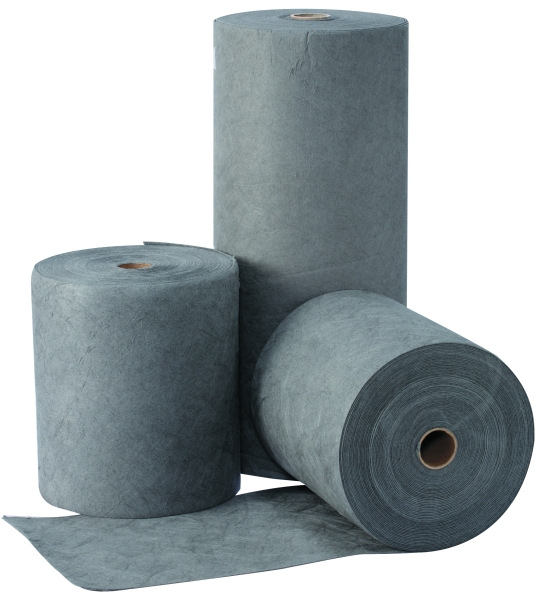
Industrial Absorbents: Its high adsorption capacity makes DE suitable for oil spill cleanup, chemical absorption, and odour control, including applications such as cat litter.

Construction & Coatings: In plasters, paints, and lightweight construction materials, DE contributes to thermal performance, density reduction, and controlled rheology.
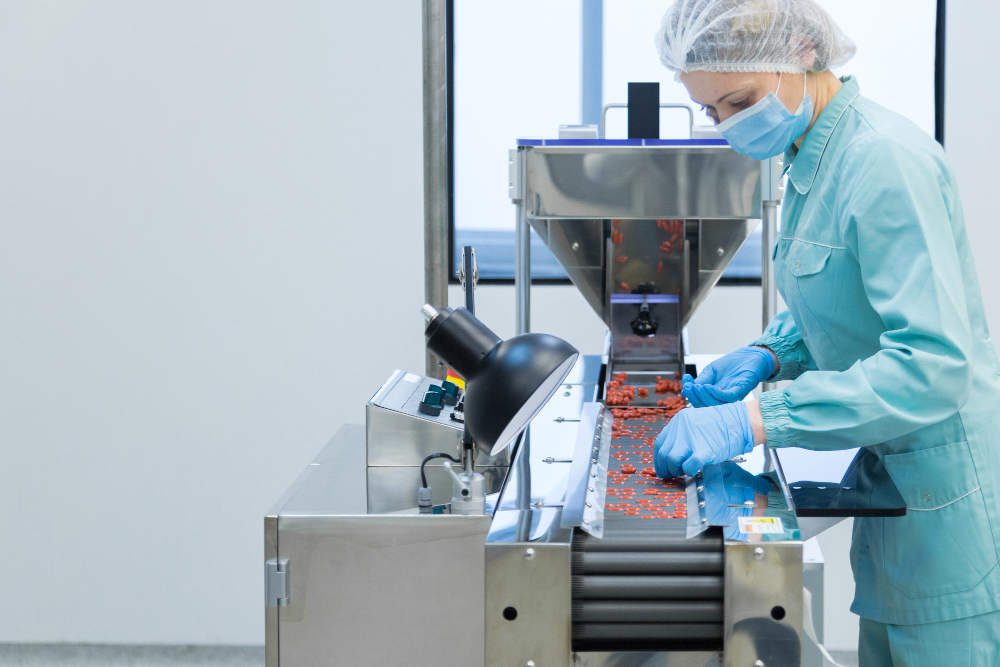
Food & Pharmaceutical Processing: Food-grade DE is employed as a filter aid for beverages and edible oils and as an anti-caking agent, subject to compliance with applicable standards.
Our diatomaceous earth is sourced from selected deposits and processed under controlled conditions to ensure low crystalline silica content, consistent pore structure, and reliable performance. Each grade undergoes quality evaluation for particle size distribution, brightness, and adsorption behaviour.
We offer application-specific grades, technical guidance, and formulation support to help customers achieve optimal filtration efficiency, adsorption capacity, and product consistency across industries.
Q: What makes diatomaceous earth effective in filtration?
A: Its naturally porous structure forms a permeable filter layer that traps fine particles while maintaining liquid flow.
Q: Is diatomaceous earth different from synthetic silica?
A: Yes. DE is a naturally occurring amorphous silica with inherent pore networks, while synthetic silica is chemically engineered with controlled surface chemistry and structure.
Q: Is DE safe for food applications?
A: Food-grade DE is safe when processed to meet regulatory standards and used as directed.
Q: Does DE contain crystalline silica?
A: High-quality DE contains predominantly amorphous silica. Processing is controlled to minimize crystalline silica content.
Applications
Let's get in touch and explore business opportunities
Connect With Us